
Our Safe Practices
At Windshield Hotspot, your safety is non-negotiable. Learn why laminated glass and polyurethane adhesives are critical to your vehicle's strength.
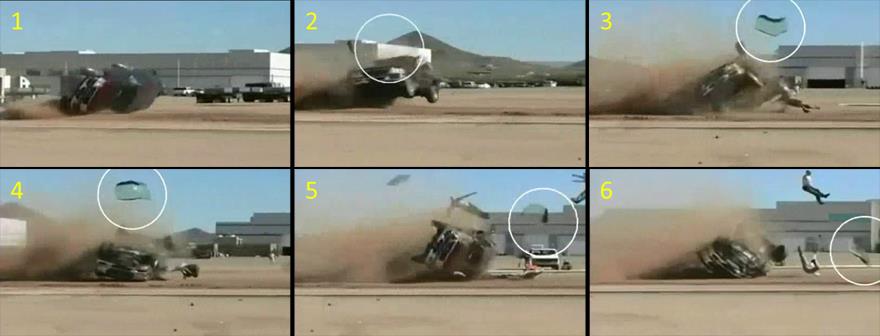
Rollover crash test sequence: When cheap silicone is used, the windshield pops out immediately (Frames 1-6), causing the roof to collapse and passengers to be ejected.
Why Genuine Products &
Trained Technicians?
Always install glass from an Expert. Our trained technicians use genuine glass and premium urethane adhesive to replace your glass with a bond strength equal to that of the manufacturer's factory installation.
The Local Shop Risk: Most local roadside installers use replacement sealants and silicone adhesives that are NOT approved by car manufacturers.
Structural Failure: In a collision or rollover, cheap adhesive fails instantly, releasing the windshield and causing severe passenger cabin collapse.
Why a Laminated Windshield?
Understanding the engineering differences between laminated safety glass and standard glass.
Laminated glass is a sandwich of two sheets of glass bonded together with one or more special plastic interlayers like poly-vinyl-butyral (PVB) in between, fused under high heat and pressure to form a single resilient piece.
Core Benefits of Laminated Glass:
- ✓No Flying Projectiles: Prevents and minimizes chances of sharp broken glass parts from becoming dangerous flying objects inside the cabin.
- ✓Acoustic Insulation: Highly effective in noise reduction, absorbing outside road rumble.
- ✓Airbag Support: Absorbs massive airbag deployment pressure, redirecting them forward to protect passengers.
- ✓Roof Support: Acts as structural support to prevent the vehicle's roof from caving onto occupants in rollovers.
- ✓UV Protection: Prevents deterioration of dashboard trims by blocking fading UV rays.
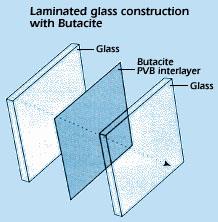
Laminated Structure
Glass + Butacite PVB plastic interlayer + Glass. Sandwiched together to block cracks and absorb shocks.
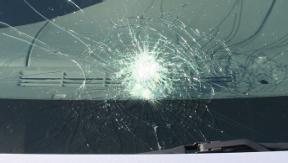
Spider Web Break
Fragments stick to PVB (Safe)
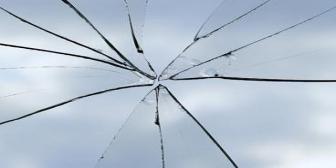
Annealed Break
Explodes into shards (Dangerous)
Why Urethane not Silicone?
The chemical and structural differences that save lives on the highway.
Adhesives (Polyurethane)
They unite 2 unlike bodies together. E.g., Bonding the car's steel pinchweld frame directly with the glass. It forms a high-strength structural weld.
Sealants (Silicone)
It forms a waterproof coating. It only fills gaps to block drafts and water, but lacks the mechanical shear resistance required to hold structural components.
| Difference Criteria | Urethane (Adhesive) | Silicone (Sealant) |
|---|---|---|
| Bond Strength | 90 times stronger than silicone | Weak, unsafe structural grip |
| OEM Approvals | Approved by all car manufacturers | Not approved by any manufacturer |
| Flexibility & Elongation | Excellent elongation under shear load | Brittle joints under cabin impact |
| Temperature Resistance | Stable under intense heat and UV rays | Softens and degrades under heat/humidity |
| Finishing Quality | Clean, black bead matching car trims | Weak joints and messy visual finish |
Real-World Failures from Cheap Silicone Installs
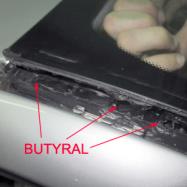
Household silicone residues left on paint frames causing corrosion.
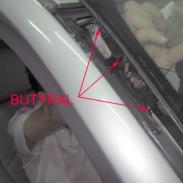
Glass easily pushed out from the inside with simple hand pressure.
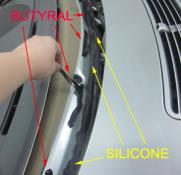
Silicone separates from the glass, creating leaks and rust.
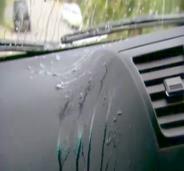
Rust developing on metal frames, causing water leaks in rains.
Mandatory Laminated Windshield
Laminated Safety Glass:
A Regulatory Shield
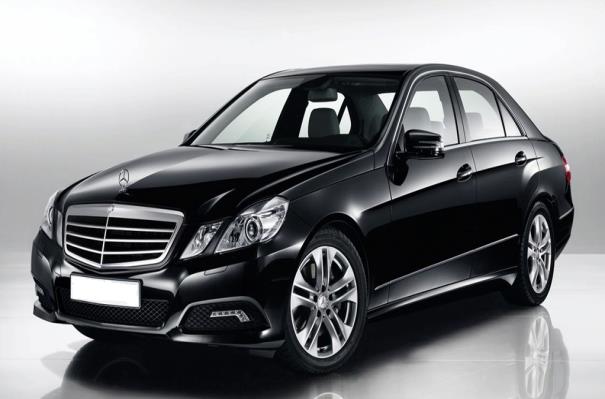
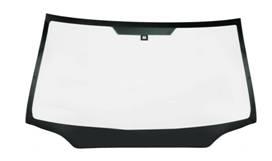
India mandate: In India, the use of laminated safety glass for front windshields has been legally mandatory by road regulation since 1996 onwards.
Did you know that proper windshield installation is as important to your safety as seat belts, airbags, and anti-lock brakes (ABS)?
40% Structural Strength: The modern windshield contributes up to 40% of the structural strength of the vehicle's body. It keeps the roof from cave-in collapses and prevents passenger ejection.
Our Process In Action
Review our live working videos. Watch how our trained technicians execute windshield replacement with extreme care and precise safe practices.